
Here are my general thoughts on the audio quality achieved by both headsets. They use almost identical components, and so the quality was the same from one set to another.
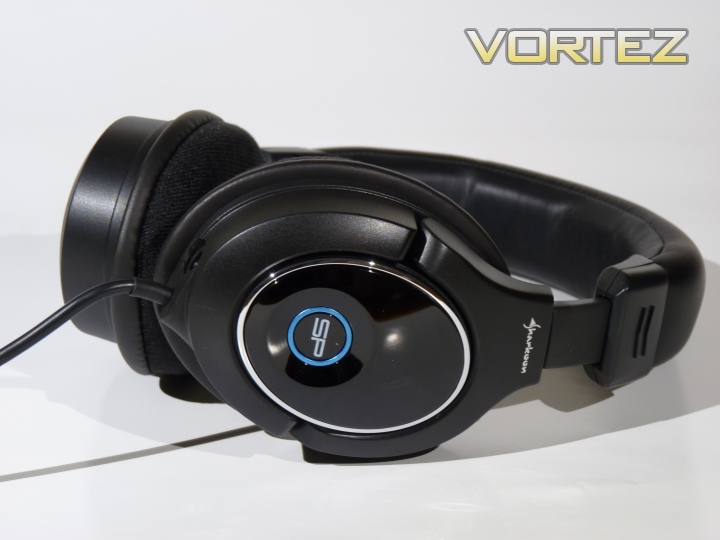
First impressions are important. I often find my first impressions to be incredibly enlightening, and I have found this once again when testing the SX and SP. Being used to a higher quality of headset normally, naturally my initial reaction would pick out the shortcomings in the X-Tatic range pretty quickly. This was the case, and the overwhelming feeling was that the sound was distant. Remember I’m using the same settings as my own personal headphones for a plain comparison. The effect was like the conversation being moved from right by your ear to an adjacent room. This is something that is often a by-product of poor definition of sound. By this I mean the sound isn’t resolved very well over certain ranges, almost muffled (not quite that bad, but it’s the best way to describe it). It wasn’t all bad though. The bass was surprisingly punchy, if a little rounded at times, which is a nice touch for a gaming set. This is most likely a result of the amplification and 40mm drivers. However, I was initially also disappointed with the midranges and highs too, with the midranges being distant and difficult to separate and the highs, well, not being that high or as crisp as I would have liked.
Another thing that is immediately noticeable if you’re using the USB connection (as the manual instructs) and thus the amplifier – there is a very audible hiss/fuzz. This is only present when the USB connection is in, suggesting that some sort of interference from the amplifier or PC is occurring. For that reason, I tried the set on a number of machines with the exact same result, leading me to believe it’s a design problem with the headset. This isn’t the first time I’ve experienced this with USB headsets and I think it’s a problem that can be difficult, but not impossible, to eliminate. Once there is sound coming through the headset, it’s a lot less noticeable, but it is still there.
I’ve been quite tough on the SX and SP here as I’m coming from something of higher quality, but when the SP comes in at a similar price to my headphones (Goldring NS1000), it’s hard to ignore. Compared to the Creative HS-800 headset, the performance is quite similar, if a little more distant, but certainly less hollow and warmer, with stronger bass.
Games
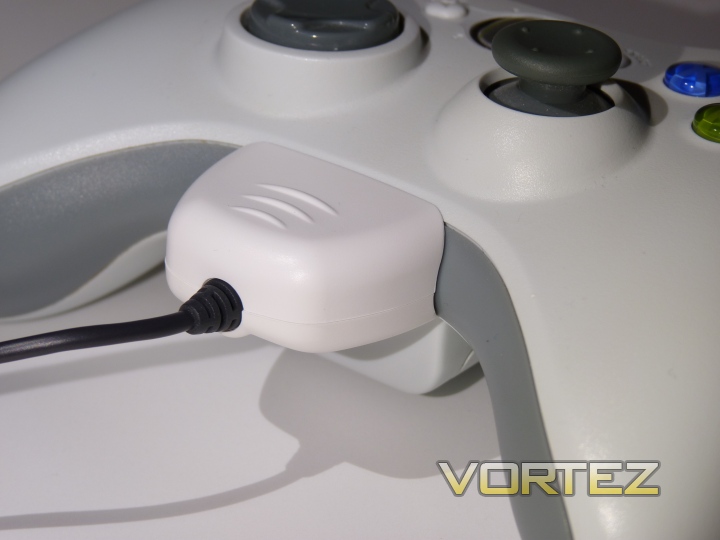
Games are where we should expect this headset to shine. I’ve tried playing a few hours of online FPS as well as a driving game, and I’m not at all disappointed. The headsets worked best with the FPS – gunshots are loud and percussive, footsteps are audible as long as the environment you’re in is quiet. These headsets don’t do a very good job of blocking out extraneous noises. Positional audio is mostly as good as the sound card it is used with, and my X-Fi xtremegamer does a great job of this as usual, though the headset doesn’t add much over any other in this respect. Regrettably I’m unable to test on these platforms, though I’m sure the outcome would be almost identical. Voices cut through most sounds, a characteristic of this headset that is beneficial for online FPS games, but perhaps problematic in other areas. However, the clear aim of these headsets is to compete in the area of gaming and so this can be praised.
Movies
Action movies benefit from the fairly powerful low end response of these headsets. It’s not as accurate as you might like, but in movies where a low-end hum is present for atmosphere, it is recreated with a pleasing gravitas. Explosions and similar also benefit in this respect, and the dialogue is clear, if a bit distant at times. In short, these are a good choice of headset for games and movies, but for movies alone I would not hesitate to go elsewhere as it isn’t where the speciality of these headsets lies.
Music
Musical performance is just adequate, as separation of sounds is very limited, especially in the mid-range. What do I mean by this? When listening to music, I attempt to listen to just one instrument at a time and isolate its sound from everything else. A mark of good headphones is when this process is more facile, but with the SP and SX I certainly struggled. On the plus side, vocals were much better, though because of this they have a tendency to cut through everything else. Bass is certainly powerful and punchy, but also lacks a certain refinement. This works against the set when listening to tracks that are bassy from guitars as there is a loss of tone, but with more dancy tracks it works quite well with synthesised bass. A good example was listening to Valentine by the Delays. The track starts with some synthesised bass and sounds great on the set, the vocals come in very clearly and naturally, but then when you start to get bass guitar and electric guitar in the mix it quickly gets confused and merged together, lacking the definition I have already spoken about. Overall, musical performance is going to depend on your tastes, but with mine I have to say it’s very limited.
Microphone
The microphone was tested primarily over Skype, and the results were impressive. The clarity is on a par with the best I’ve ever used on a headset. Background noises are minimal, and the sound is very natural. I can’t say much more about it than that. The way in which the microphone works on the headsets differs – the SP uses USB and installs a new sound device you must select first, whereas the SX uses your existing sound card to connect as a standard microphone. There was no discernible difference between these two methods, suggesting they are both perfectly adequate and the limitation is the microphone itself. Limitation is perhaps not an appropriate word to use as the performance is brilliant overall.
First impressions are important. I often find my first impressions to be incredibly enlightening, and I have found this once again when testing the SX and SP. Being used to a higher quality of headset normally, naturally my initial reaction would pick out the shortcomings in the X-Tatic range pretty quickly. This was the case, and the overwhelming feeling was that the sound was distant. Remember I’m using the same settings as my own personal headphones for a plain comparison. The effect was like the conversation being moved from right by your ear to an adjacent room. This is something that is often a by-product of poor definition of sound. By this I mean the sound isn’t resolved very well over certain ranges, almost muffled (not quite that bad, but it’s the best way to describe it). It wasn’t all bad though. The bass was surprisingly punchy, if a little rounded at times, which is a nice touch for a gaming set. This is most likely a result of the amplification and 40mm drivers. However, I was initially also disappointed with the midranges and highs too, with the midranges being distant and difficult to separate and the highs, well, not being that high or as crisp as I would have liked.
Another thing that is immediately noticeable if you’re using the USB connection (as the manual instructs) and thus the amplifier – there is a very audible hiss/fuzz. This is only present when the USB connection is in, suggesting that some sort of interference from the amplifier or PC is occurring. For that reason, I tried the set on a number of machines with the exact same result, leading me to believe it’s a design problem with the headset. This isn’t the first time I’ve experienced this with USB headsets and I think it’s a problem that can be difficult, but not impossible, to eliminate. Once there is sound coming through the headset, it’s a lot less noticeable, but it is still there.
I’ve been quite tough on the SX and SP here as I’m coming from something of higher quality, but when the SP comes in at a similar price to my headphones (Goldring NS1000), it’s hard to ignore. Compared to the Creative HS-800 headset, the performance is quite similar, if a little more distant, but certainly less hollow and warmer, with stronger bass.
Games
Games are where we should expect this headset to shine. I’ve tried playing a few hours of online FPS as well as a driving game, and I’m not at all disappointed. The headsets worked best with the FPS – gunshots are loud and percussive, footsteps are audible as long as the environment you’re in is quiet. These headsets don’t do a very good job of blocking out extraneous noises. Positional audio is mostly as good as the sound card it is used with, and my X-Fi xtremegamer does a great job of this as usual, though the headset doesn’t add much over any other in this respect. Regrettably I’m unable to test on these platforms, though I’m sure the outcome would be almost identical. Voices cut through most sounds, a characteristic of this headset that is beneficial for online FPS games, but perhaps problematic in other areas. However, the clear aim of these headsets is to compete in the area of gaming and so this can be praised.
Movies
Action movies benefit from the fairly powerful low end response of these headsets. It’s not as accurate as you might like, but in movies where a low-end hum is present for atmosphere, it is recreated with a pleasing gravitas. Explosions and similar also benefit in this respect, and the dialogue is clear, if a bit distant at times. In short, these are a good choice of headset for games and movies, but for movies alone I would not hesitate to go elsewhere as it isn’t where the speciality of these headsets lies.
Music
Musical performance is just adequate, as separation of sounds is very limited, especially in the mid-range. What do I mean by this? When listening to music, I attempt to listen to just one instrument at a time and isolate its sound from everything else. A mark of good headphones is when this process is more facile, but with the SP and SX I certainly struggled. On the plus side, vocals were much better, though because of this they have a tendency to cut through everything else. Bass is certainly powerful and punchy, but also lacks a certain refinement. This works against the set when listening to tracks that are bassy from guitars as there is a loss of tone, but with more dancy tracks it works quite well with synthesised bass. A good example was listening to Valentine by the Delays. The track starts with some synthesised bass and sounds great on the set, the vocals come in very clearly and naturally, but then when you start to get bass guitar and electric guitar in the mix it quickly gets confused and merged together, lacking the definition I have already spoken about. Overall, musical performance is going to depend on your tastes, but with mine I have to say it’s very limited.
Microphone
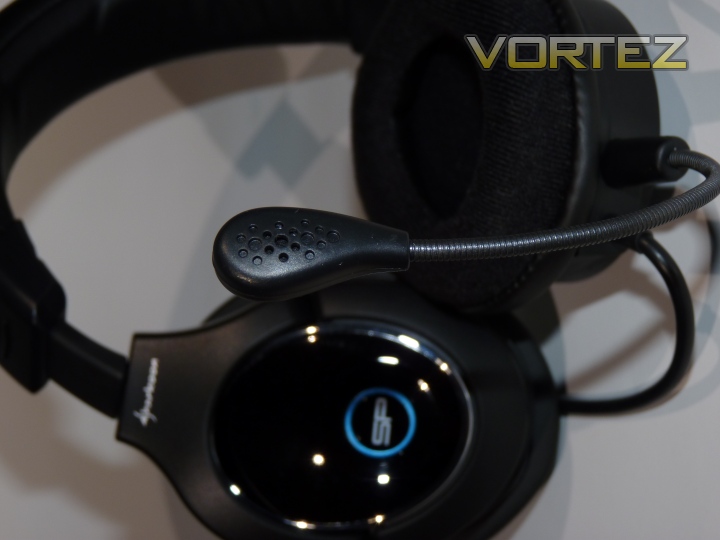
Here you can see the flexible microphone attached to the X-Tatic SP
The microphone was tested primarily over Skype, and the results were impressive. The clarity is on a par with the best I’ve ever used on a headset. Background noises are minimal, and the sound is very natural. I can’t say much more about it than that. The way in which the microphone works on the headsets differs – the SP uses USB and installs a new sound device you must select first, whereas the SX uses your existing sound card to connect as a standard microphone. There was no discernible difference between these two methods, suggesting they are both perfectly adequate and the limitation is the microphone itself. Limitation is perhaps not an appropriate word to use as the performance is brilliant overall.


